Atradius Atrium
Získajte priamy prístup k informáciám o poistnej zmluve, nástrojom na podávanie žiadostí o úverový limit a prehľadu.

 Slovensko
 Austrália
 Belgicko
 Brazil
 Bulharsko
 Česká republika
 Čína
Čína
 Dánsko
 Fínsko
 Francúzsko
 Grécko
 Holandsko
 Hongkong
 India
India
 Írsko
Írsko
 Japonsko
 Kanada
 Litva
Litva
 Maďarsko
 Mexiko
 Nemecko
 Nórsko
 Nový Zéland
 Poľsko
 Portugal
 Rakúsko
 Rumunsko
 Singapur
 Skupina
Slovensko
Skupina
Slovensko
 Slovinsko
 Spain
Spain
 Spojené arabské emiráty
 Spojené kráľovstvo
 Spojené štáty americké
 Švajčiarsko
 Švédsko
 Taliansko
 Turecko

Dosiahnuť sto rokov v podnikaní nie je žiadny malý úspech. Vo svete, kde sa trhy menia zo dňa na deň a technológie každých desať rokov prepisujú pravidlá, je dlhovekosť skutočnou raritou. Keď teda nejaká spoločnosť prekročí storočnú hranicu, stojí za to sa opýtať: čo to vlastne umožňuje? A čo je ešte dôležitejšie, čo sa z toho môžeme naučiť?
Sto rokov je viac než len míľnik; je to dôkaz relevantnosti. Svedčí to o tom, že organizácia konzistentne poskytovala ľuďom to, čo potrebujú, cez vojny, recesie, konjunktúry a digitálne revolúcie. Prežitie v takomto meradle nie je len šťastím. Atradius je jednou z týchto spoločností, ktorá prešla hospodárskymi krízami, globalizáciou a digitálnou transformáciou. Jej príbeh nie je o nostalgii; je o tom, že prispôsobivosť, dôvera a zmysel môžu udržať podnik v chode celé storočie.
„Naša kultúra, v ktorej sú ľudia na prvom mieste, je základom našej identity. Mnohí zákazníci sú s nami už desaťročia, niektorí dokonca viac ako 40 či 50 rokov, a naša miera retencie sa blíži k 95 %.“
David Capdevila, náš generálny riaditeľ (CEO), vystihuje podstatu toho, čo znamená prežiť celé storočie. Pre neho dlhovekosť neznamená stagnáciu, ale vývoj v súlade so svetom pri zachovaní vernosti základným hodnotám. Ako vysvetľuje:
„Nie sme tou istou spoločnosťou, akou sme boli pred 100 rokmi. Svet sa zmenil a my sme sa vyvíjali spolu s ním. Počas nedávnych výziev, ako bola pandémia, vojna na Ukrajine a obchodné clá, sme konali rýchlo, aby sme zabezpečili stabilitu. Pružnosť bola kľúčom k nášmu úspechu, ale nie je to jediný dôvod. Skutočný rozdiel robí náš osobný prístup. Jasná komunikácia so zákazníkmi, najmä pri vysvetľovaní zložitých produktov alebo problémov, je nevyhnutná. Naša kultúra, v ktorej sú ľudia na prvom mieste, je ústrednou súčasťou toho, kým sme. Mnohí zákazníci sú s nami už desaťročia, niektorí viac ako 40 alebo 50 rokov, a naša miera retencie sa blíži k 95 %.“
Čo majú tieto spoločnosti spoločné? Vyniká niekoľko charakteristík:
Vedia, prečo existujú. Ich poslanie presahuje rámec zisku a zameriava sa na riešenie problémov a vytváranie hodnôt, ktoré majú význam pre všetky generácie.
Trhy sa menia, technológie prinášajú prevratné zmeny a očakávania sa vyvíjajú. Tieto spoločnosti sa neustále obnovujú bez toho, aby stratili svoju základnú identitu, pričom sa riadia štruktúrovanými zmenami namiesto reakčných krokov.
Reputácia sa buduje postupne. Vytvára hlboké a dlhodobé väzby so zákazníkmi, partnermi a zamestnancami. Ide o vzťahy, ktoré často trvajú celé desaťročia.
Pokrok je nevyhnutný, ale nie na úkor kontinuity. Chránia svoje jedinečné prednosti a zároveň prijímajú nové nápady, ktoré posilňujú ich podstatu.
S globálnym pohľadom sa vyrovnávajú s geopolitickými a ekonomickými zmenami, pričom zostávajú v kontakte s miestnymi komunitami a prispievajú k sociálnej odolnosti.
Dlhodobá životnosť závisí od lojality a inštitucionálnej pamäti. Tieto firmy investujú do svojich zamestnancov a podporujú kariérny rast a rozvoj vodcovských schopností vo vlastných radoch.
Prijímajú informované rozhodnutia, pričom vyvažujú ambície s dôkladným posúdením situácie. Ich odolnosť pramení z toho, že riziká chápu, namiesto toho, aby sa im vyhýbali, a premieňajú ich na zdroj dlhodobej sily.
Jasný rozhodovací proces, stabilný smer a transparentný dohľad zabezpečujú konzistentnosť v priebehu jednotlivých cyklov. Zmeny na najvyšších pozíciách sú premyslené, čo pomáha zachovať víziu a hodnoty po celé desaťročia.
Pri budovaní trvalo udržateľnej spoločnosti vyniká jeden princíp: pochopiť potreby zákazníka a predvídať, ako sa budú v priebehu času vyvíjať. Pre spoločnosť Atradius je týmto zákazníkom finančný riaditeľ, strážca finančnej odolnosti. Ako to vyjadril Claus Gramlich-Eicher, náš finančný riaditeľ (CFO):
„Úloha finančného riaditeľa sa v podstate nezmenila už celé storočie a ani sa nezmení: zostať ostražitý a obozretný pri riadení firemných financií. Okrem plnenia povinností v oblasti podávania správ a poskytovania vedeniu dôležitých informácií o výkonnosti to znamená stanovovať realistické ciele a rozpočty a zabezpečiť, aby investície podporovali dlhodobý úspech. V podstate ide o zabezpečenie kapitálu potrebného na udržateľný ziskový rast.“
„Úloha finančného riaditeľa sa v podstate za posledné storočie nezmenila a ani sa nezmení: spočíva v tom, aby pri riadení firemných financií zostával ostražitý a obozretný.“
Na budovanie silných vzťahov so zákazníkmi nestačí len držať krok s technologickými zmenami. Rovnako dôležitá je kvalita ľudského faktora, ktorá prináša schopnosť pochopiť a usilovať sa o splnenie toho, čo je pre klientov skutočne dôležité, a to v rámci disciplinovaného prístupu k riziku, založeného na úsudku, skúsenostiach a konzistentnosti. Ako vysvetľuje Andreas Tesch, náš riaditeľ pre riadenie rizík, rozvoj týchto schopností v celej organizácii je kľúčový pre dlhodobý úspech:
„Stať sa členom klubu storočných podnikov je vzácnosťou. Dosiahli sme to tým, že sme našim tímom umožnili sústrediť sa na to, čo je skutočne dôležité: budovanie silných vzťahov so zákazníkmi a partnermi. Odlišuje nás náš prístup, ktorý kladie ľudí na prvé miesto, a étos spolupráce. Podporujeme nezávislé myslenie, aby sme pomohli zákazníkom identifikovať obchodné príležitosti a riadiť riziká podnikania. Kombináciou miestnych znalostí, odborných znalostí v oblasti upisovania a úzkych vzťahov so zákazníkmi sme úspešne sprevádzali podniky cez storočie hospodárskych cyklov.“
„Vďaka spojeniu znalostí miestneho prostredia, odborných znalostí v oblasti poistenia a úzkych vzťahov s klientmi sme úspešne sprevádzali podniky cez celé storočie hospodárskych cyklov.“
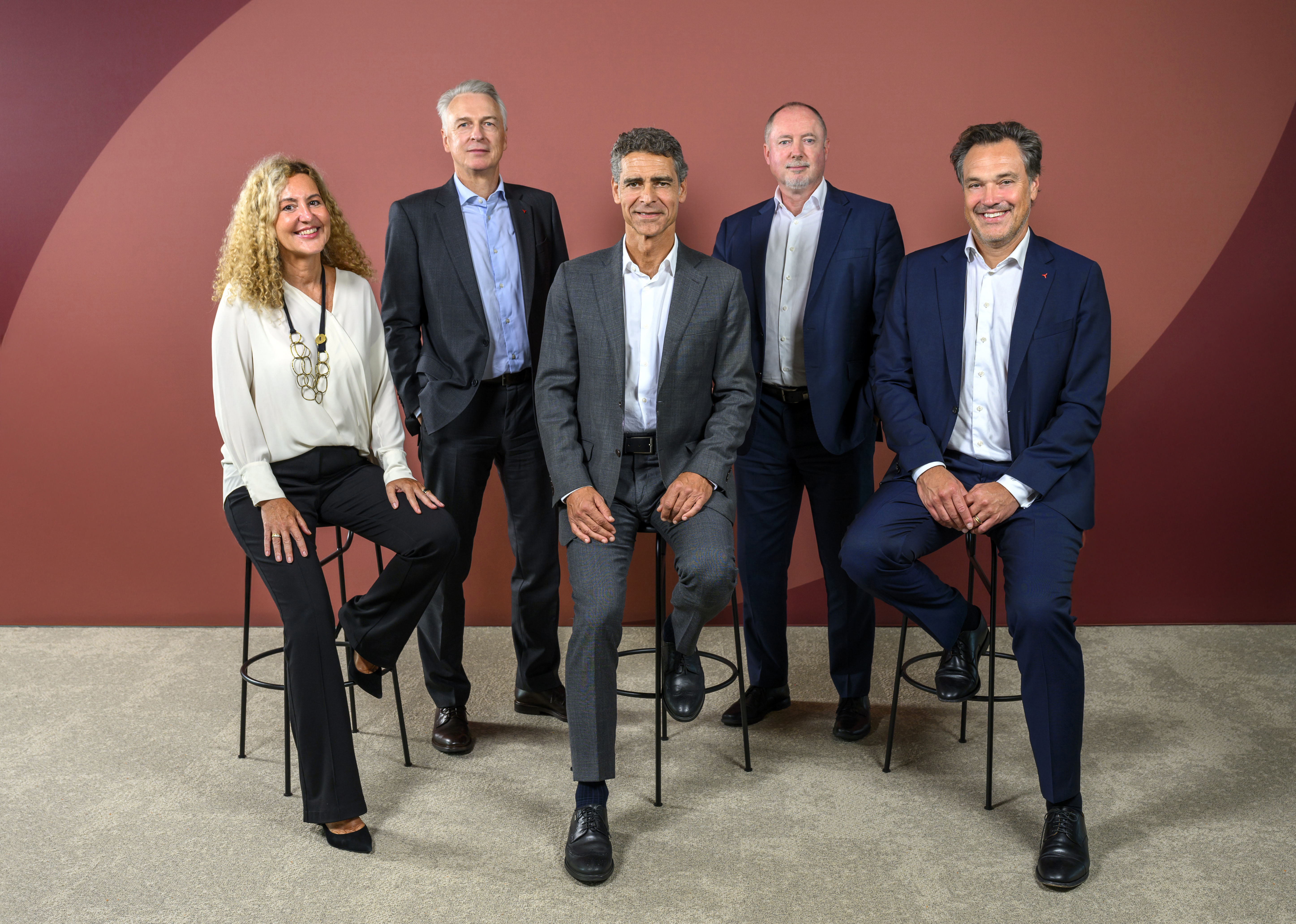
Stratégia a kultúra sú často vnímané ako abstraktné pojmy, pritom sú to praktické sily, ktoré podporujú odolnosť. Ako vysvetľuje Marc Henstridge, náš riaditeľ pre marketing (CMO), ich kombinácia poskytuje jasný smer a spoločný zmysel pre dosiahnutie storočnice:
„Náš úspech a odolnosť spočívajú na dvoch pilieroch: stratégii a kultúre. Stratégia určuje cieľ a cestu k nemu; kultúra zabezpečuje, že postupujeme ako jeden tím, pričom každý chápe svoju úlohu pri dosahovaní tohto cieľa. Silné a trvalé vzťahy so zákazníkmi nás odlišujú už od 20. rokov 20. storočia a hlboké pochopenie podnikania našich klientov naďalej formuje náš vývoj. V uplynulom desaťročí to znamenalo prijatie umelej inteligencie a digitálnych nástrojov s cieľom zvýšiť efektívnosť a uvoľniť ruky našim ľuďom, aby sa mohli sústrediť na to, čo je najdôležitejšie: komunikáciu s klientmi a budovanie dôvery.“
„V priebehu posledného desaťročia nám využívanie umelej inteligencie a digitálnych nástrojov na zvýšenie efektívnosti umožnilo, aby sa naši zamestnanci mohli sústrediť na to najdôležitejšie: budovanie vzťahov s klientmi a posilňovanie dôvery.“
Je nevyhnutné neustále sledovať trendy na trhu. Pre spoločnosť Atradius prišla jedna z najvýznamnejších zmien v 90. rokoch, keď zrýchlenie globálneho obchodu všetko zmenilo. Poisťovatelia obchodných úverov, ktorí sa kedysi zameriavali na hlboké znalosti domáceho trhu, čelili novej realite: klienti potrebovali globálne riešenia. Odpoveďou bola integrácia, ktorá spojila miestne znalosti v rámci medzinárodných platforiem. Kľúčová je práve táto schopnosť vnímať zmeny a konať rozhodne. Marta Nodal, naša riaditeľka pre marketing, zdôrazňuje:
„Pre nás pramení trvalý úspech z učenia sa prostredníctvom hospodárskych cyklov, pozorného načúvania trhu a posilňovania ľudí, aby mohli formovať budúcnosť. Táto skúsenosť posilnila našu schopnosť predvídať riziká a reagovať s istotou. Geografická diverzita je tiež jednou z našich najväčších výhod. Spoločnosť Atradius rástla ako nadnárodná spoločnosť integráciou organizácií s hlbokými miestnymi znalosťami, zdieľaním osvedčených postupov a budovaním spoločného smerovania, pričom zachovala kultúrne rozdiely, ktoré nás odlišujú. Táto diverzita zostáva jedným z našich najcennejších aktív.“
„Geografická rozmanitosť je jednou z našich najväčších predností. Rozvíjali sme sa tým, že sme spojili hlboké znalosti miestnych pomerov a vytvorili spoločný smer, pričom sme zachovali kultúrne odlišnosti, ktoré nás odlišujú od ostatných.“
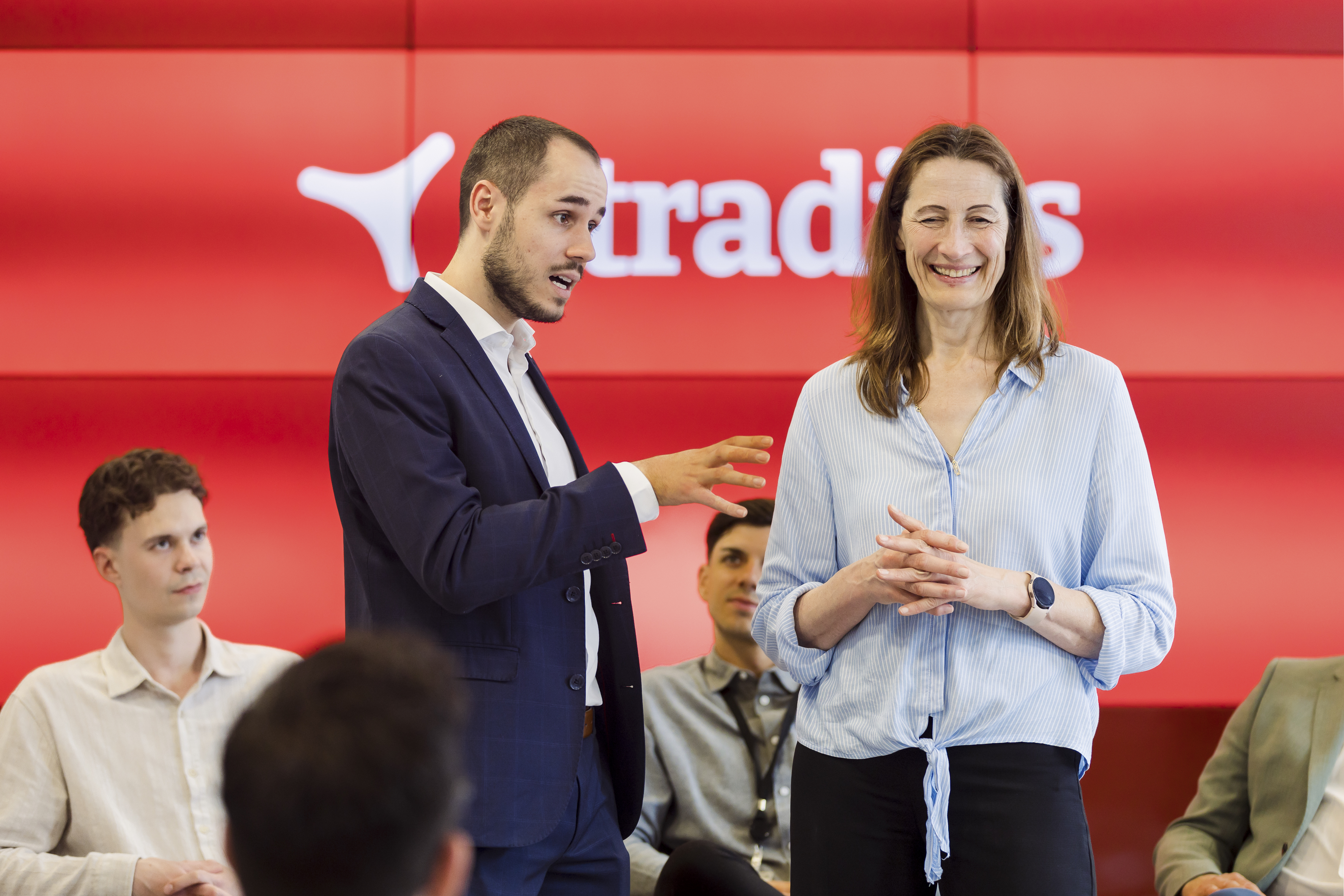
V ére posadnutej rýchlosťou a prevratnými zmenami sa tieto ponaučenia zdajú takmer radikálne. Dlhovekosť nám pripomína, že úspech nespočíva len v rýchlom raste, ale aj v tom, aby sme zostali relevantní. Pre mladšie spoločnosti je ponaučenie jasné: budujte s ohľadom na odolnosť. Pre etablované firmy je to výzva, aby sa neustále vyvíjali bez toho, aby stratili zo zreteľa to, čo im prináša dôveru, a aby zmenili svoj pohľad na vec. Ako hovorí David Capdevila:
„Všetci prispievame k niečomu väčšiemu ako sme my sami, k niečomu, čo pretrvá dlhšie ako my. Keď dáme zo seba to najlepšie, vytvoríme vlnový efekt, ktorý presahuje rámec podnikania, umožňuje obchod a vracia spoločnosti to, čo je dôležité.“
Táto myšlienka vystihuje, prečo spoločnosti pretrvávajú: pozerajú sa za hranice seba samých. Sto rokov nie je cieľová čiarou; je to základ pre vplyv, ktorý siaha ďaleko za hranice organizácie. To je kľúčová lekcia pre nasledujúcich sto rokov. Takto sa nám podarilo prosperovať celé storočie. Možno si z našej cesty môžete niečo odniesť. S našimi skúsenosťami sme tu, aby sme vám pomohli prekonať výzvy, ktoré vás čakajú.
Ak chcete zistiť, ako posilniť svoju stratégiu riadenia úverového rizika, kontaktujte nás a zistite, ako vám môžeme pomôcť udržať si náskok.
Požiadajte o spätné volanie
Právne upozornenie


